From Street Life to Redemption: Gangsta Williams' Journey Through Crime and Incarceration
- hoodboxoffice
- Apr 8
- 3 min read

Gangsta Williams, known widely as the brother of Birdman, offers a rare and intense glimpse into a life shaped by crime, survival, and transformation. His story is not just about the choices he made but also about the environment that influenced those decisions and the consequences that followed. Facing a life sentence, Gangsta Williams’ journey through the justice system reveals the harsh realities of street life and the long-lasting impact of decisions made under pressure.
This post explores his path through incarceration, the mental and emotional challenges he faced, and how he eventually found a way to change. His story is a powerful example of resilience and accountability, offering insight into the complexities of the legal system and the possibility of redemption.
Life Before Prison: Choices and Environment
Gangsta Williams grew up in a world where crime was often the only option for survival. His environment was marked by poverty, violence, and limited opportunities. These conditions shaped his early decisions, leading him down a path that many in similar circumstances face.
He openly discusses how the influence of his surroundings and the pressure to provide for himself and his family pushed him toward illegal activities. This part of his story highlights the difficult choices people make when trapped in cycles of hardship.
Survival over safety: Many decisions were made out of necessity rather than desire.
Influence of peers and family: The street culture around him normalized risky behavior.
Lack of alternatives: Limited access to education and jobs made crime seem like the only path.
Understanding this background is crucial to grasping the full picture of his journey. It shows how environment and circumstance can heavily influence life choices.
Navigating Life Behind Bars
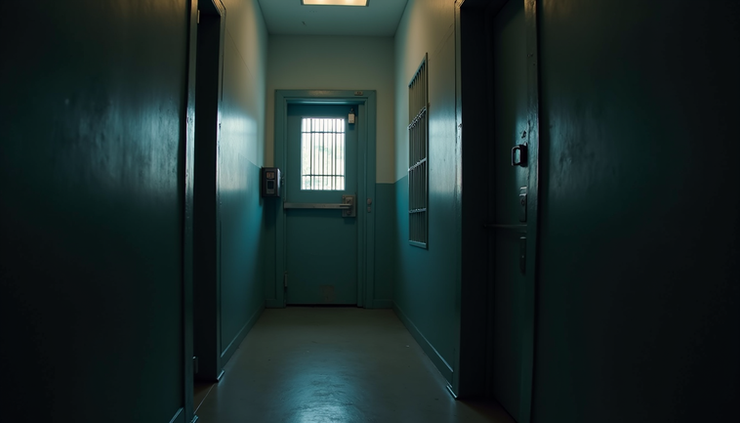
Gangsta Williams’ life sentence brought him face to face with the realities of incarceration. Prison life is harsh, both physically and mentally, and he shares how he coped with these challenges.
Mental and emotional struggles: Isolation, fear, and uncertainty were constant companions.
Survival tactics: Learning to navigate prison politics and protect oneself was essential.
Reflection and growth: Time behind bars offered moments for deep self-reflection.
His experience reveals the complexity of prison life beyond the physical confinement. It also shows how incarceration can be a turning point, forcing individuals to confront their past and consider change.

The Road to Release and Redemption
Despite the severity of his sentence, Gangsta Williams eventually gained his freedom. His release was not just a physical event but a mental and emotional milestone.
Accountability: Accepting responsibility for past actions was a key step.
Mindset shift: Moving from survival mode to growth and healing.
Support systems: Family, mentors, and programs played a role in his transformation.
His story emphasizes that change is possible, even after serious consequences. It also highlights the importance of support and personal commitment in rebuilding life after prison.
Life After Freedom: Growth and Reflection
Freedom brought new challenges and opportunities. Gangsta Williams talks about how his mindset evolved and what life looks like after incarceration.
Building a new identity: Moving beyond the label of a convict.
Giving back: Using his story to warn others and inspire change.
Ongoing challenges: Facing stigma and rebuilding trust takes time.
His journey serves as a cautionary tale but also a message of hope. It shows that transformation requires effort but can lead to a meaningful second chance.

Gangsta Williams’ story offers a powerful look at the realities of street life, the justice system, and the possibility of redemption. It reminds us that behind every headline is a human being shaped by their environment and choices. His journey encourages reflection on accountability and the potential for change, even in the most difficult circumstances.


Comments